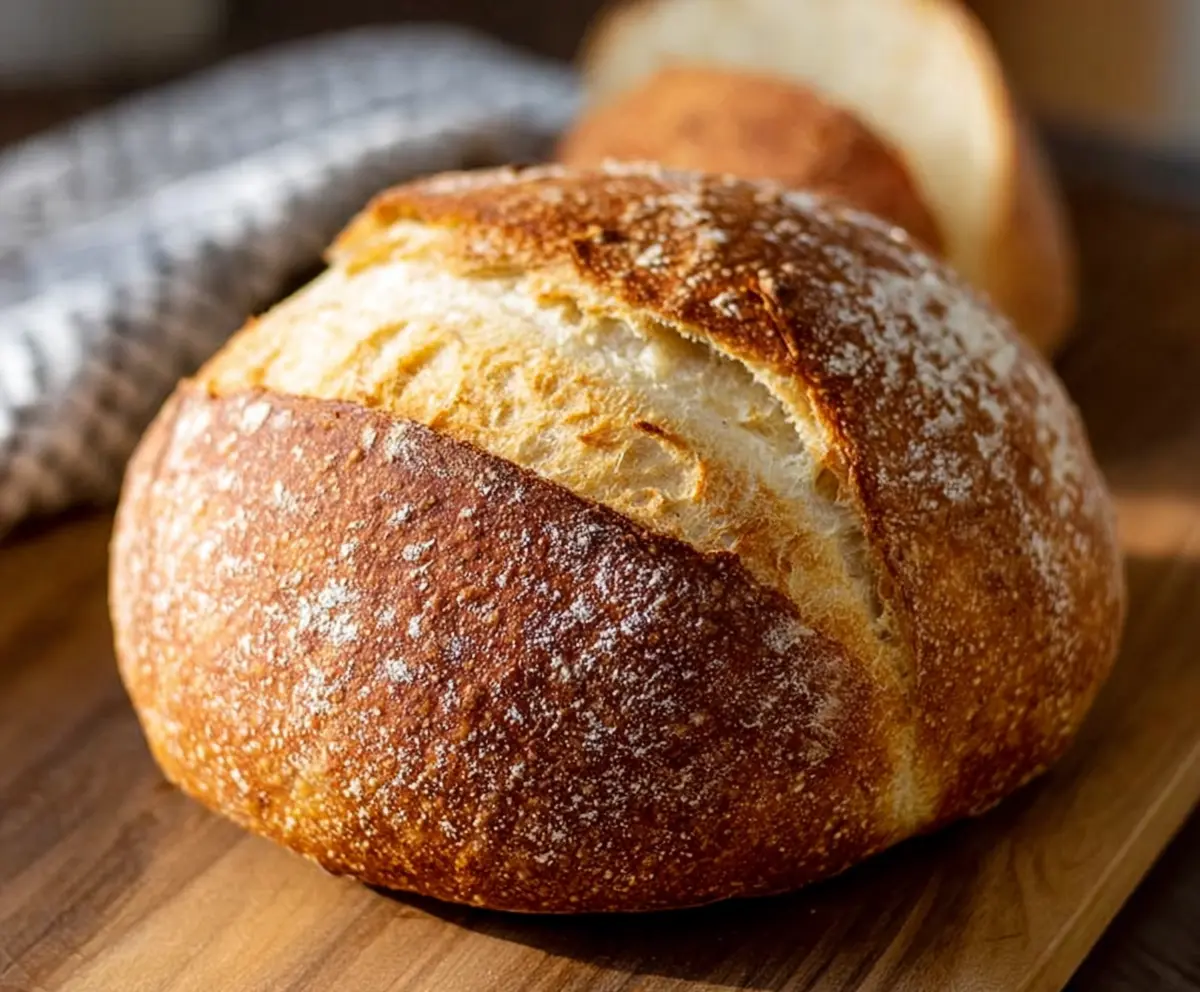
Best Ever Sourdough Bread Recipe is all about that crusty outside and soft, tangy inside that makes sourdough so special. It’s a bread where the natural flavor comes from just flour, water, salt, and a good starter, but the magic happens with time and care. You get that chewy crumb and crispy crust that makes each slice a little celebration.
I love making this bread because it feels like a small adventure every time. Watching the dough rise and bubble, getting to know how it should look and feel—it’s like baking with a new friend. My favorite tip is to be patient and trust the process, even if it’s your first time. Following the steps closely really pays off with a loaf that smells amazing and tastes incredible.
When it’s done, I like slicing it thick and toasting it up with butter or garlic oil. It also pairs perfectly with soups or just some cheese and jam for a simple snack. This sourdough recipe is one I keep coming back to because it feels like home baking, and sharing it with friends makes it even better.
Key Ingredients & Substitutions
Bread Flour: Bread flour is great for strong gluten development and a chewy texture. If you don’t have bread flour, all-purpose flour works too, but your bread might be a little less chewy.
Water: Use room temperature water to help the starter and dough interact well. Filtered water is best if your tap water is heavily chlorinated.
Sourdough Starter: This is the heart of the bread. Make sure it’s active and bubbly before using. If you’re new to starters, feeding it the night before helps a lot.
Salt: Salt controls fermentation and enhances flavor. Sea salt or kosher salt are good options; just measure by weight for accuracy.
How Do You Master the Stretch and Fold Technique?
Stretch and folds are simple but key for a good crumb and structure without heavy kneading. Here’s how I do it:
- Wet your hand to prevent sticking, gently lift one edge of the dough.
- Stretch it upwards without tearing, then fold it over the dough’s center.
- Turn the bowl and repeat 3-4 times per session, every 30 minutes during the first 2 hours.
This builds strength in the dough and helps trap air bubbles for a light loaf. Don’t rush—gentle movements work best to keep the dough smooth and elastic.
Equipment You’ll Need
- Large mixing bowl – big enough to hold and mix your dough comfortably without spills.
- Dough scraper – perfect for folding dough and cleaning your work surface easily.
- Banneton or bowl with a cloth – helps shape the dough and gives a nice pattern on the crust.
- Dutch oven or heavy lidded pot – traps steam for a crispy crust and even baking.
- Bread lame or sharp knife – used to score the dough for controlled expansion during baking.
- Kitchen scale – the best way to measure ingredients precisely for consistent results.
Flavor Variations & Add-Ins
- Add 1/4 cup chopped fresh herbs like rosemary or thyme for a fragrant, earthy loaf.
- Mix in 1/3 cup toasted seeds (sunflower, pumpkin) for extra crunch and nutty flavor.
- Swap half the bread flour for whole wheat flour for a heartier, richer taste and a denser crumb.
- Stir in 1/4 cup chopped olives or sun-dried tomatoes for a Mediterranean twist that pairs well with cheese.
Best Ever Sourdough Bread Recipe (Step-by-Step)
Ingredients You’ll Need:
- 500g (about 4 cups) bread flour or all-purpose flour
- 350g (1 1/2 cups) water, at room temperature
- 100g (about 1/2 cup) active sourdough starter (fed and bubbly)
- 10g (about 1 3/4 tsp) salt
- Extra flour for dusting
How Much Time Will You Need?
The total time for this recipe is about 12 to 18 hours. Most of that is hands-off resting and fermentation time. You’ll spend about 15-20 minutes mixing and shaping, then 4 to 6 hours for the first rise, an overnight chill for final proofing, and about 45 minutes baking. It’s mostly waiting patiently but easy to follow!
Step-by-Step Instructions:
1. Mix the Dough
In a large bowl, mix the flour and water until no dry bits remain. The dough will look shaggy and rough. Cover the bowl with a towel or plastic wrap and let it rest for 30 minutes – this rest is called the autolyse and helps the flour absorb the water.
2. Add Starter and Salt
Stir in your active sourdough starter and salt. Use your hands or a dough scraper to mix it well. The dough will begin to come together and feel sticky but elastic.
3. Bulk Fermentation with Stretch and Folds
Cover the bowl and let your dough rise at room temperature (around 70°F or 21°C) for 4 to 6 hours. During the first 2 hours, every 30 minutes, do a set of stretch and folds by reaching under the dough, stretching it up, and folding it onto itself. This strengthens the dough’s gluten and traps air.
4. Shape the Dough
After the rise, dust your work surface with flour and turn out the dough. Fold the edges toward the center and gently shape it into a tight round ball. Be gentle but firm to keep the structure.
5. Final Proof
Place the dough seam-side up into a banneton basket or a bowl lined with a floured cloth. Cover and refrigerate overnight or for 8 to 12 hours. This slow chill builds flavor and improves texture.
6. Preheat Oven and Prepare for Baking
Put a Dutch oven or a heavy lidded pot in your oven and preheat to 450°F (232°C) for at least 30 minutes. A hot pot will help create steam for a crunchy crust.
7. Score and Bake
Carefully turn your dough onto parchment paper. Using a bread lame or a sharp knife, make a slash about 1/4 inch deep on the top to help the bread expand during baking. Lift the dough with the parchment and place inside the hot Dutch oven. Cover with the lid.
8. Bake With Steam
Bake covered for 20 minutes. The steam trapped inside helps the crust develop.
9. Finish Baking Uncovered
Remove the lid and bake for another 20-25 minutes until the crust turns deep golden brown and feels crisp.
10. Cool Completely
Take the bread out and cool on a wire rack for at least an hour before slicing. Cooling sets the crumb and stops the bread from getting gummy inside.
Enjoy your delicious sourdough bread toasted with butter, or make your favorite sandwiches—it’s perfect every time!
Can I Use All-Purpose Flour Instead of Bread Flour?
Yes, you can substitute all-purpose flour if you don’t have bread flour. Your bread may have a slightly softer texture and less chewiness, but it will still be tasty and rise well.
How Do I Know When My Sourdough Starter Is Ready to Use?
Your starter is ready when it’s bubbly, has doubled in size within 4-6 hours of feeding, and passes the float test (a spoonful floats in water). Using an active starter ensures good rise and flavor development.
Can I Freeze the Sourdough Bread After Baking?
Absolutely! Let the bread cool completely, then slice and wrap tightly in plastic wrap or foil. Store in a freezer bag for up to 3 months. Thaw at room temperature or toast slices directly from frozen.
What If My Dough Is Too Sticky to Handle?
Sticky dough is normal for sourdough! Dust your hands and work surface lightly with flour to help shape it. Avoid adding too much extra flour, as this can make the bread dense.